January 16, 2026
In this article, we will explore the vital role that regular maintenance plays in prolonging the lifespan of your vehicle. By understanding and implementing essential auto repair practices, car owners can protect their investment and ensure safe, efficient operation for years to come. Routine vehicle maintenance is not merely an option but a necessity for sustaining the functionality and longevity of your car. Many vehicle owners underestimate the benefits of regular servicing, leading to neglect and avoidable expenses. Understanding the core tenets of vehicle maintenance will empower you to take proactive steps in preserving your vehicle's performance and value.
Understanding Vehicle Maintenance
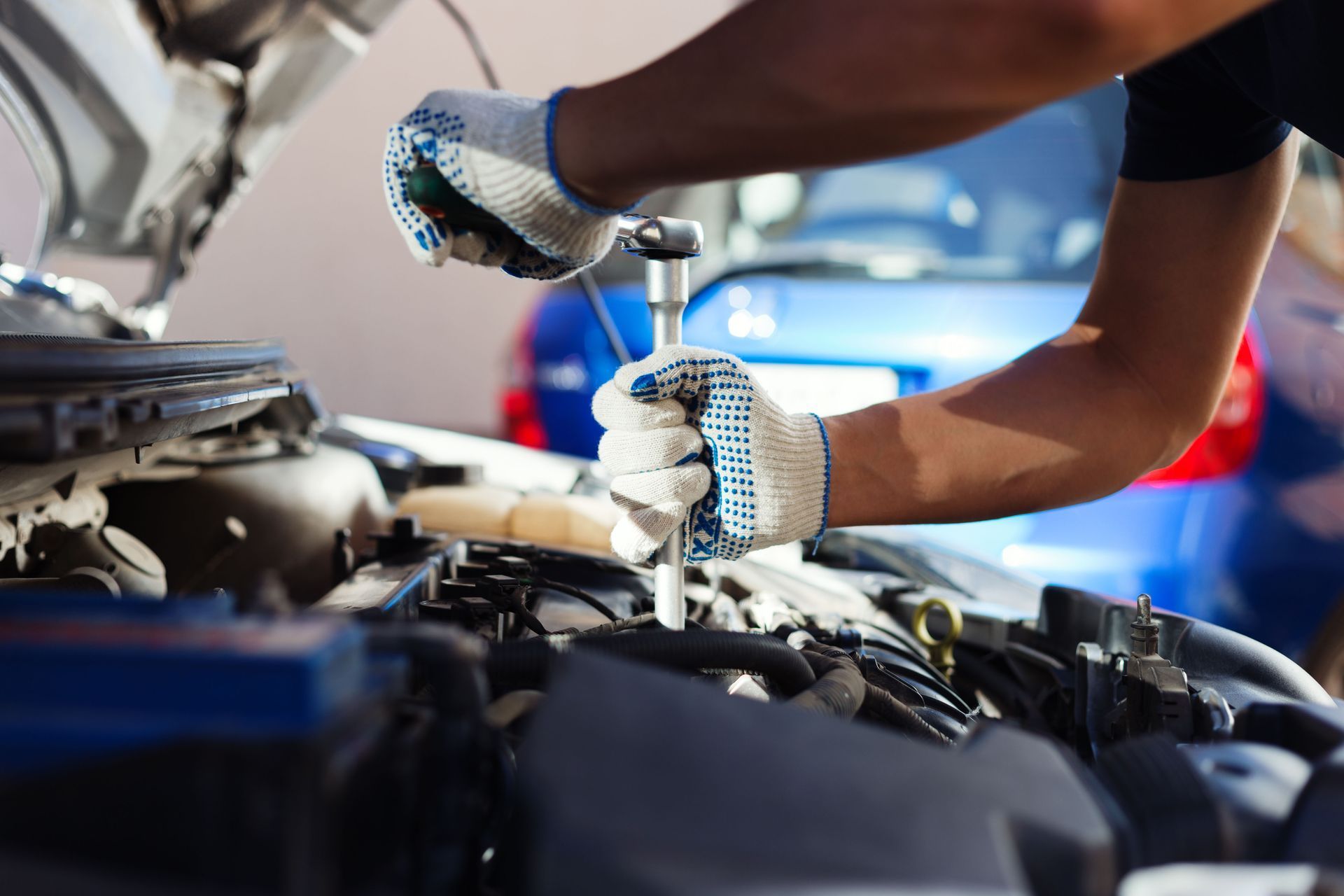
Vehicle maintenance involves routine checks, auto repairs, and replacements to ensure consistent performance and safety on the road. Regular maintenance is essential not only for maintaining the vehicle's functionality but also for extending its lifespan. By keeping everything from engine oil to tires in check, you keep larger, more expensive failures at bay. The importance of maintenance can’t be overstated, as it directly influences the safety and reliability of your car. Consistent upkeep helps prevent breakdowns, reduces the likelihood of accidents, and enhances your vehicle's resale value significantly.
One prevalent misconception is that only older vehicles need regular maintenance. In reality, even brand-new cars require scheduled servicing to remain in peak condition. Another myth is that maintaining your vehicle regularly is overly expensive. However, the truth is, preventive maintenance usually costs much less than the repairs needed for ignored issues. Finally, some believe that modern cars require less frequent maintenance due to advanced engineering, yet they've simply been designed to alert you more effectively when maintenance is due.
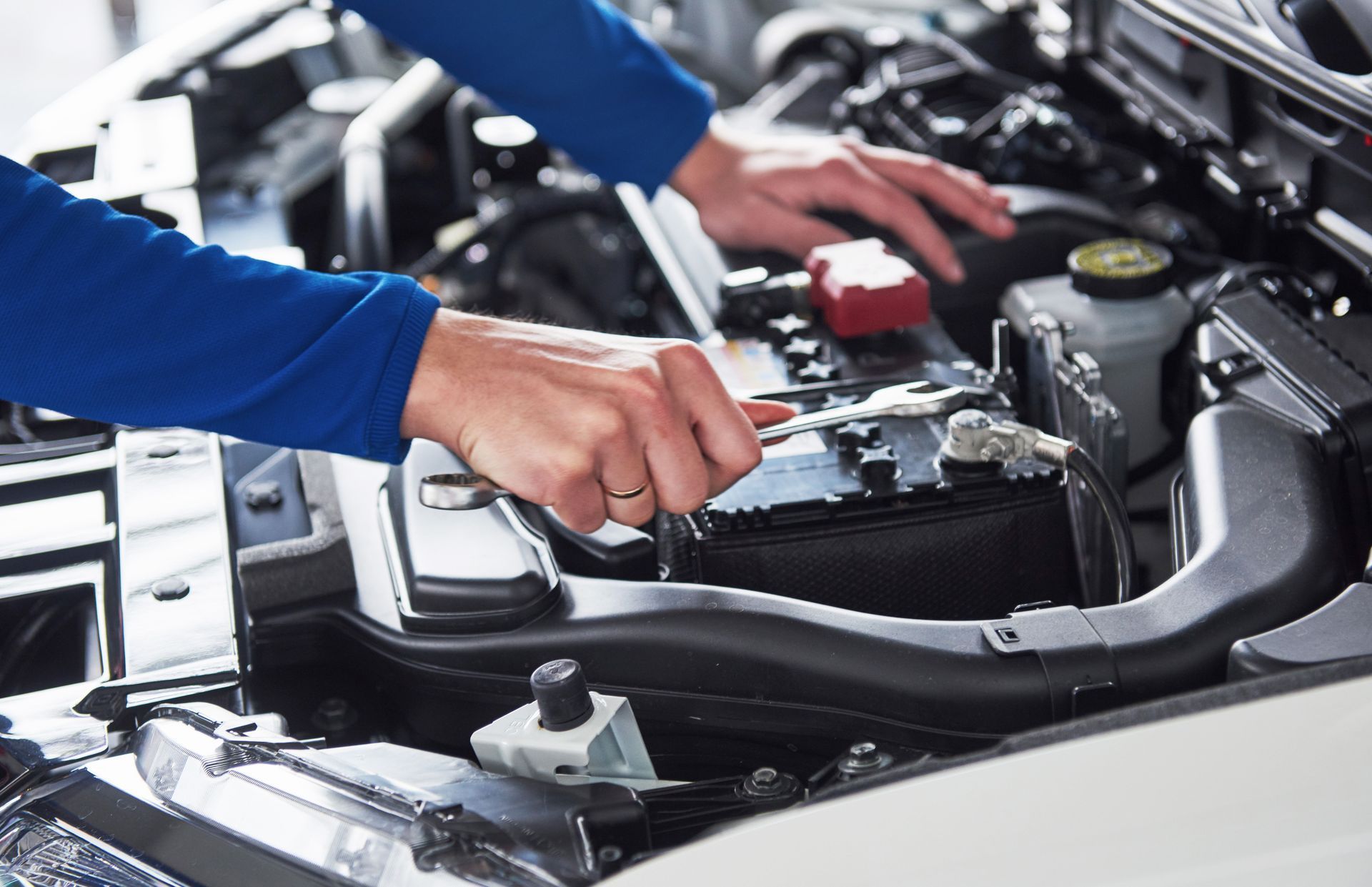
Preventive maintenance involves regular, scheduled servicing to prevent any malfunctions or auto repairs before they develop into major problems. Tasks such as oil changes, tire rotations, and brake inspections fall under this category. On the other hand, reactive maintenance occurs after a problem has already arisen, requiring immediate attention. While preventive measures are proactive and planned, reactive maintenance often results in higher costs and more inconvenience. Prioritizing preventive maintenance can greatly reduce the risk of reactive measures, ensuring a smoother experience and less wear and tear.
Regular vehicle maintenance offers significant economic benefits by minimizing the risk of expensive repairs down the line. By catching and addressing minor issues before they develop into major ones, you can save substantial amounts of money over time. Better engine performance and fuel efficiency provided by routine servicing can also lead to significant savings on fuel costs. According to Consumer Reports, a reputable auto repair shop will offer a 12-month, 12,000-mile warranty on most repairs, providing peace of mind for your expenses. In addition, investing in proper upkeep increases your car's resale value should you choose to sell it in the future.
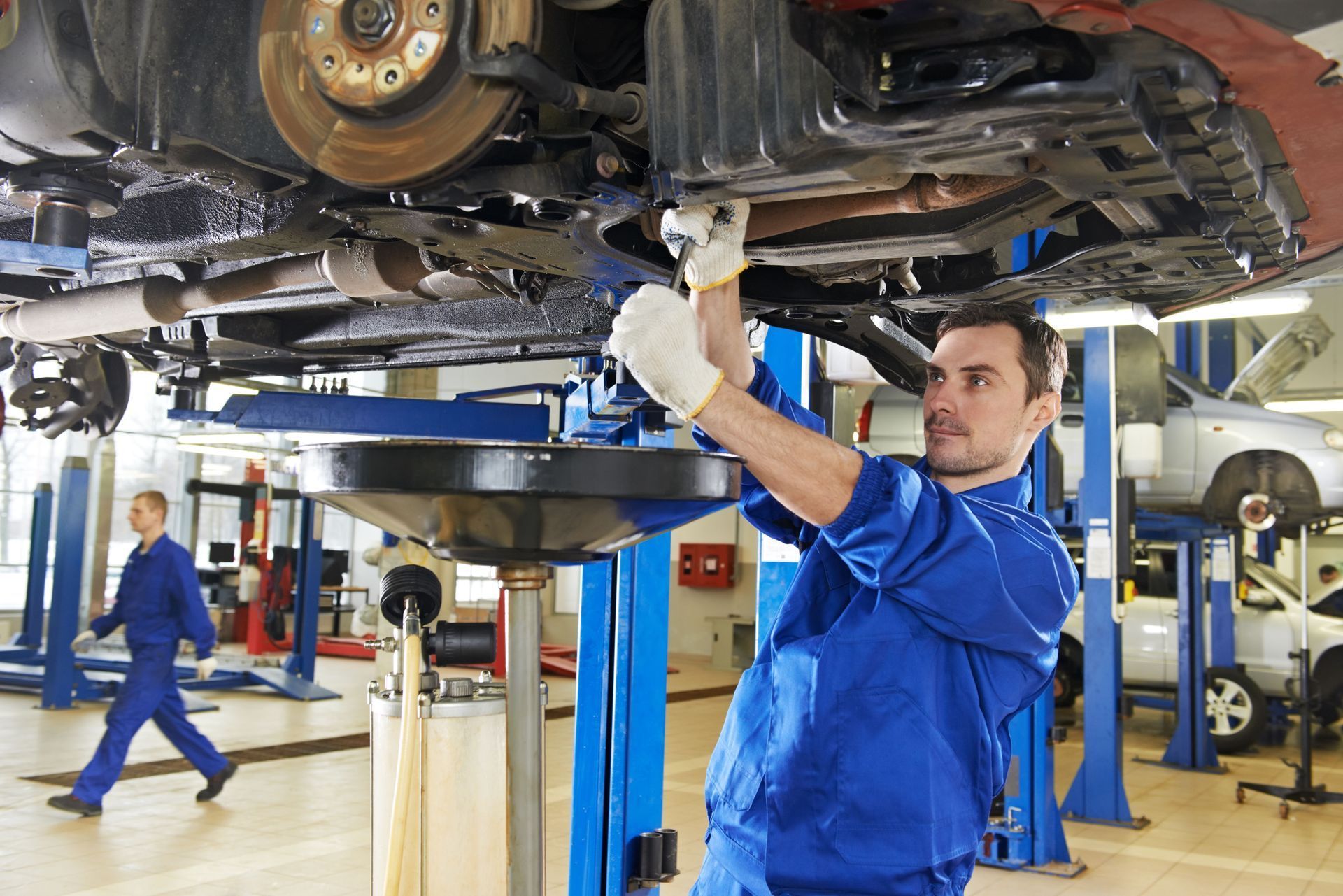
The car owner has the responsibility to stay informed about their vehicle's maintenance requirements and schedule necessary appointments. While drivers can handle basic tasks like checking fluid levels and tire pressure, complex auto repairs and diagnostics should be performed by professional mechanics. Continued education on maintenance allows owners to better communicate issues to mechanics, ensuring more effective service. A trusted mechanic plays a vital role in thoroughly inspecting the vehicle and handling specialized maintenance required for optimal performance. Developing a strong partnership between owner and mechanic fosters better-sustained care, reliability, and longevity of the vehicle.
Regular Oil Changes
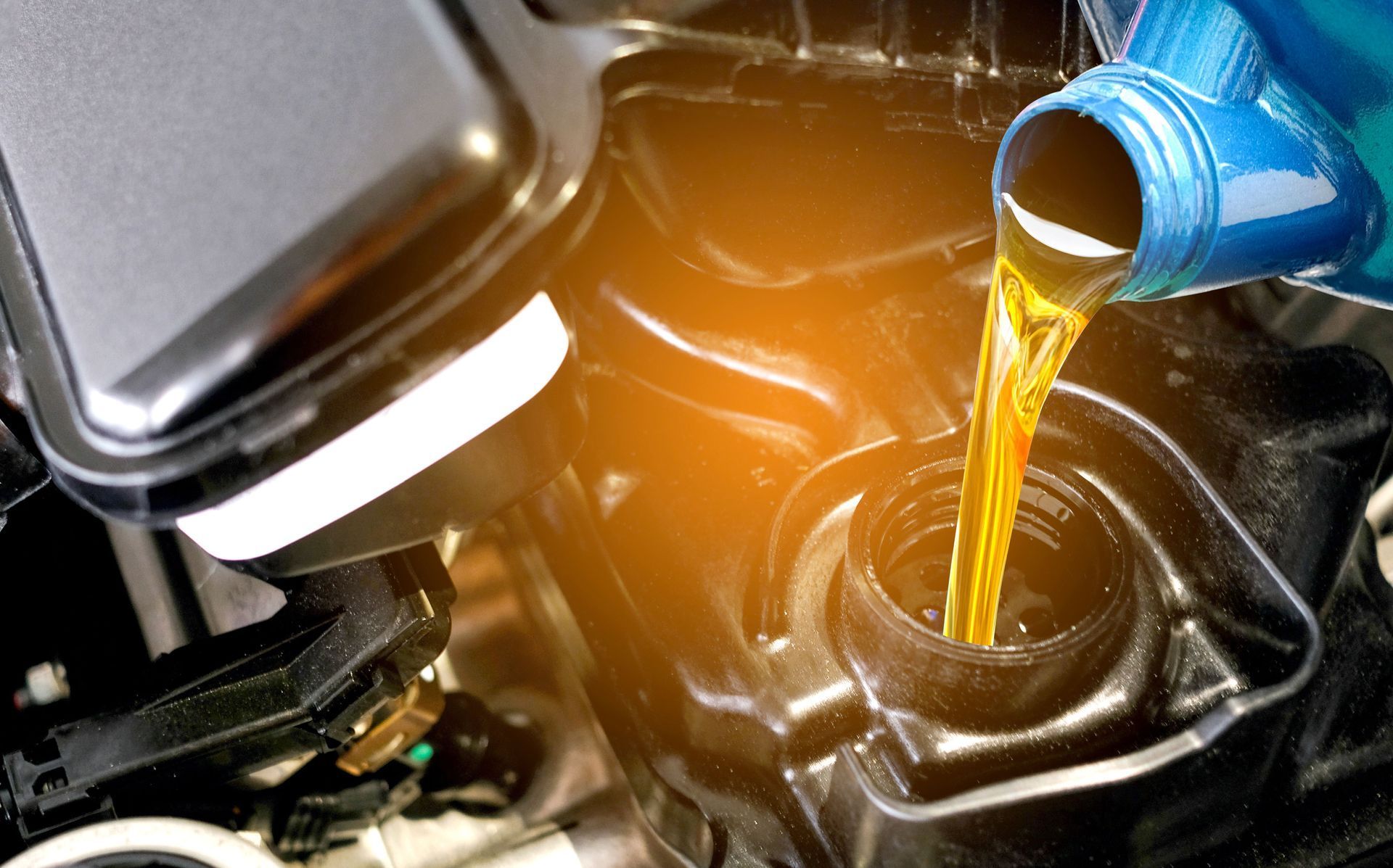
Engine oil serves several crucial roles in maintaining the performance of your vehicle's engine. It acts as a lubricant, minimizing friction between engine components and reducing wear and tear. Additionally, oil helps cool the engine by transferring heat away from critical parts. It also serves as a cleaning agent, removing sludge and preventing contaminant buildup within the engine. By ensuring proper lubrication, cooling, and cleaning, engine oil contributes significantly to the health and longevity of the engine.
There are several signs that indicate it's time to change your engine oil. If you notice increased engine noise or knocking sounds, this may signal a need for fresh oil. Dark, dirty oil on the dipstick or low oil levels are clear indicators to schedule an oil change. Advanced technology in modern vehicles often includes dashboard lights that alert you when it's time for servicing. Regularly assessing these signs aids in maintaining optimal engine performance and preventing future issues.
Understanding the difference between conventional and synthetic oils can help you make informed decisions about your vehicle's maintenance. Conventional oil is derived from refined crude oil and provides basic lubrication, while synthetic oil is chemically engineered to offer superior performance. Synthetic oils endure higher temperatures, resist breakdown more effectively, and often offer reduced friction and wear. Some vehicles may benefit from synthetic blends, which combine the benefits of both types. Consulting your owner's manual and mechanic can guide you in selecting the best oil for your vehicle's specific needs.
Maintaining the Braking System
The braking system is arguably one of the most critical components of vehicle safety. Properly functioning brakes are essential for avoiding accidents and ensuring driver control in various conditions. Regular maintenance of the braking system ensures immediate response when brakes are applied, significantly reducing stopping distances. Additionally, well-maintained brakes yield better fuel efficiency and overall vehicle performance. Investing in routine brake care contributes to the longevity of the vehicle and minimizes the risk of costly repairs.
Recognizing the signs of brake wear and tear can prevent dangerous situations on the road. Unusual noises, such as screeching or grinding, indicate the need for brake inspections or replacements. Vibrations in the brake pedal, reduced braking efficiency, or the vehicle pulling to one side are further warning signs. Regularly inspect brake pads and rotors for visible signs of damage or thinning. By addressing these indicators promptly, you can maintain optimal braking performance and safety.
Brake pads come in several types, each designed for specific driving conditions and performance needs. Organic brake pads, made from natural materials, offer quieter braking but tend to wear more quickly. Semi-metallic pads provide improved durability and heat resistance, making them ideal for more demanding driving styles. Ceramic pads offer a balance of performance and comfort with minimal noise and wear. The lifespan of brake pads varies based on material and driving habits, but regular inspections help ensure timely replacements.
Scheduling a professional brake inspection ensures a comprehensive assessment of your braking system. During an inspection, mechanics examine brake pads, rotors, fluid levels, and the overall braking system for signs of wear or damage. They will also check for leaks in the brake lines and verify that all components function correctly. Regular inspections guarantee reliable and safe brake performance when it matters most.
Regular vehicle maintenance is a long-term investment that pays off in reliability, safety, and cost savings. By committing to proactive auto repair practices, such as routine oil changes, brake inspections, and preventive servicing—car owners can significantly reduce the risk of unexpected breakdowns and expensive repairs. Consistent maintenance helps preserve engine performance, improves fuel efficiency, and extend the overall lifespan of the vehicle. Just as importantly, it promotes safer driving conditions and maintains resale value, giving owners greater confidence and peace of mind every time they hit the road. Contact Enjoying Mechanics to schedule service today and get your car back to running smoothly.